Functional Beverages in India: Investment Thesis 2025
Let’s start with understanding what Functional Beverage actually means? In layman's terms, Functional beverages are drinks that offer specific health or performance benefits beyond basic hydration or taste. These drinks include ingredients like vitamins, herbs, or probiotics that support things like boosting energy, improving digestion, building immunity, or reducing stress.
I think we're witnessing a quiet revolution in what India drinks.
And this isn’t just a trend; it’s personalized nutrition going mainstream. This shift feels very real when I look at how startups are positioning their products today, not just as refreshments, but as something for daily performance optimization.
India's functional beverages market was valued at approximately ₹51,000 crore in 2024 and is growing at a CAGR of 11.3% during 2025–2033.
Source: IMARC,
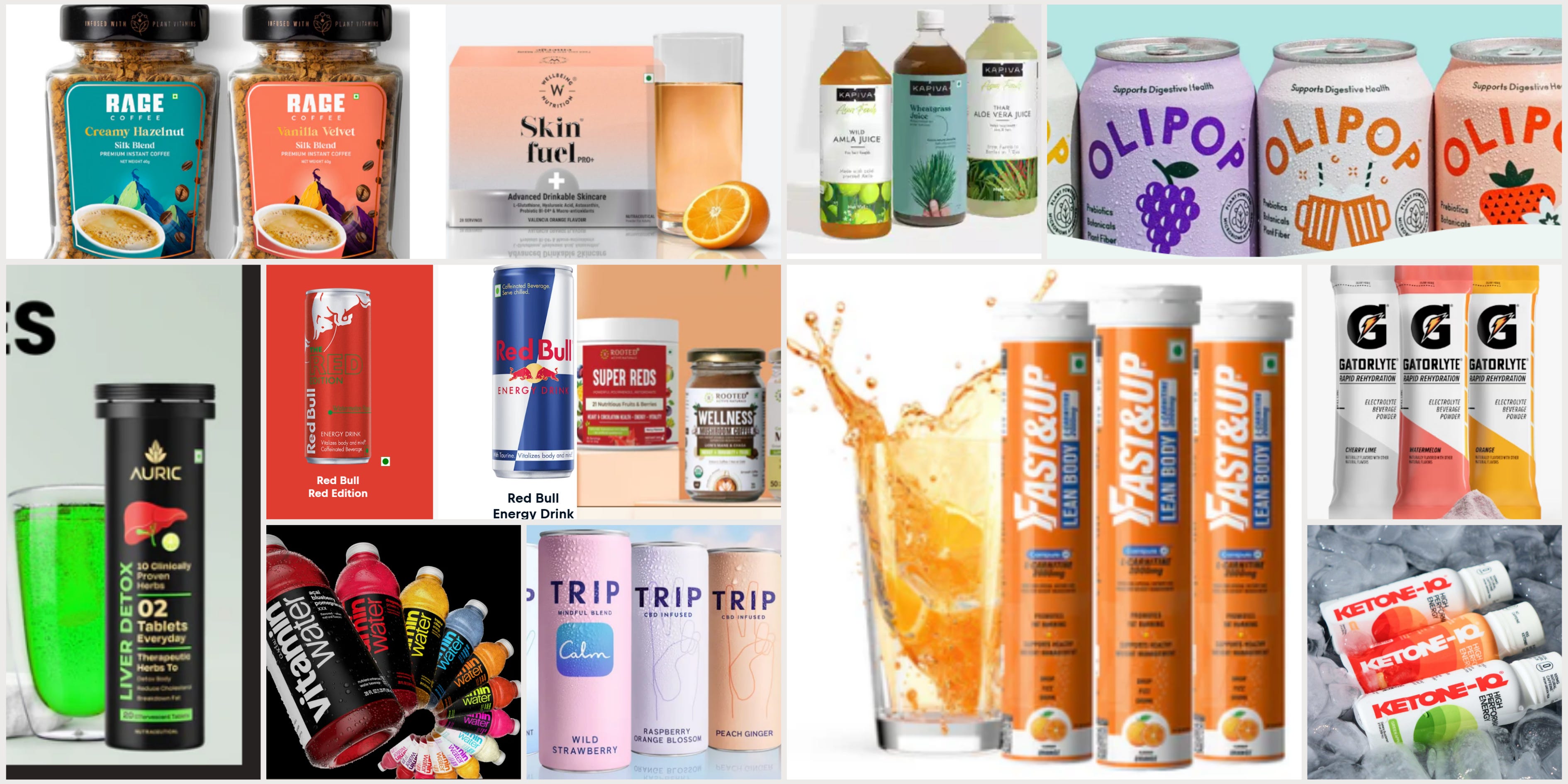
I see these 5 segments gaining momentum:
- Electrolyte Drinks: Designed for rapid hydration, especially post-exercise. Brands include Fast&Up and Enerzal.
- Energy Drinks: Provide a physical or mental boost. Examples are Monster and Rage Coffee.
- Protein Shakes: Aimed at muscle repair and meal replacement. Brands like MuscleBlaze and Myprotein are popular.
- Adaptogen Beverages: Help in stress relief and hormonal balance. Auric and Kapiva are notable brands.
- Nootropic Drinks: Enhance focus and brain function. Examples include Blue Tokai's Brain Brew and Rooted Active.
Niche players are now hyper-focusing on one benefit per product and that’s working far better than “all-in-one” wellness claims.
So who’s buying these? (Customer Personas)
I’ve spent some time understanding who’s really driving this demand. Turns out, the usual demographic breakdown doesn’t tell the full story. Here's how I’d define the customer tribes:
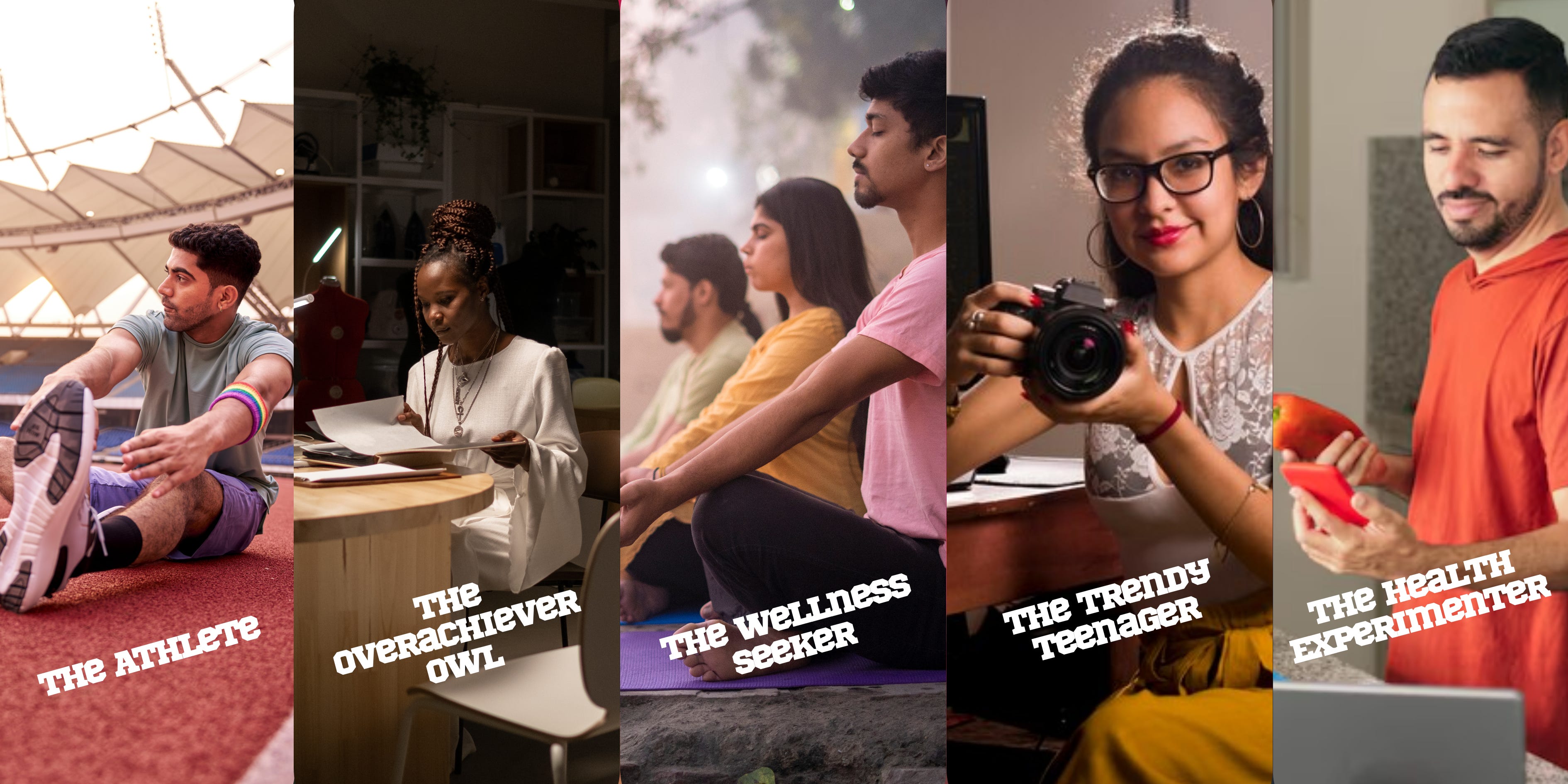
- The Athlete - 22-30 yrs, gym-goers, sports league junkies; Want hydration + recovery post-workout; Loyal to: Fast&Up, MuscleBlaze
- The Overachiever Owl - 25-34 yrs, coders, founders, night owls; Want clean energy and mental focus; Loyal to: Rage Coffee, Brain Brew
- The Wellness Seeker - 28-40 yrs, corporate + wellness-conscious; Seeking hormone balance, gut health, immune support; Loyal to: Auric, Kapiva
- The Trendy Teenager - 16-24 yrs, students, creators, gamers; Want cool, energizing, affordable drinks; Loyal to: Red Bull, Cloud9
- The Health Experimenter - 30-45 yrs, HNIs, wellness nerds; Interested in longevity, mental performance; Explore: imported supplements, nootropics
If you’re starting up in this space, these personas will help you reframe how to look at brand-building and channel strategies in this space.
Distribution: D2C is the Gateway, but not the Destination
Most new-age brands start with D2C. It gives them access to first-party data, loyalty, and margin control. But the real magic happens when they combine that with Retail stores (like Wellness Forever, Foodhall) and/or Convenience-first formats in gyms, coworking spaces, cafés.
A founder I spoke to recently shared that once they hit 15+% repeat rate on D2C, they started getting inbound interest from major offline chains.
Regulations You Can’t Ignore
- FSSAI governs this space under its Health Supplements & Nutraceuticals framework. Key rules:
- Clear ingredient list and health disclaimers
- No unverified claims like “treats anxiety” or “cures fatigue”
- AYUSH approval if claiming Ayurvedic benefits
Metrics That Matter for Investors
From the deal decks I’ve seen and diligences I’ve been part of, these are the standout metrics:
- LTV/CAC Ratio: LTV/CAC (3:1 or better) - Indicates brand stickiness and ad efficiency
- Repeat Purchase Rate: (25–40%) - Shows customer love; and nearly 60% of your buyers are between 18 and 32 years old, living in Tier-1 cities. Amazing positioning
- Retail Velocity: High number of units per store per week = strong product demand and scalability potential in offline.
If I were placing bets, I’d look for brands that:
- Solve one problem clearly
- Have early traction and strong repeat rates
- Know their tribe and speak their language
India’s shelves are getting crowded. But for the right founder and the right investor, this is a fridge worth fighting for.